

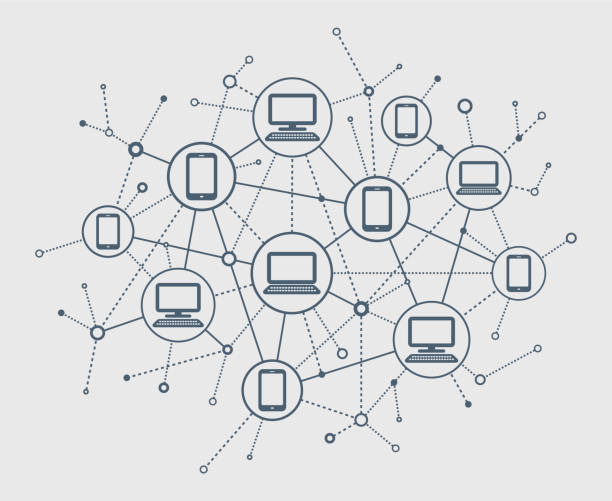
Monitoring and alerting in the context of computer networking involves monitoring the performance and health of your network infrastructure and receiving alerts or notifications when issues are detected. This can help you proactively address any network problems that could affect the quality of your VoIP phone service.
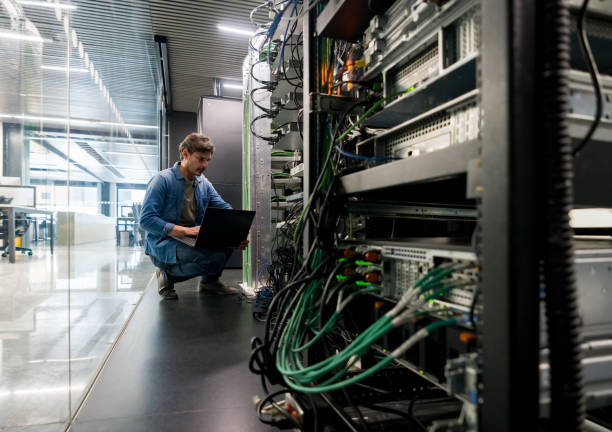
Computer networking plays a crucial role in VoIP phone services as it provides the infrastructure for transmitting voice data packets over the internet. A reliable and properly configured network is essential for ensuring good call quality and minimizing latency or packet loss.
In most cases, you can use your existing phone system with a VoIP service by connecting it to an adapter or gateway that converts traditional phone signals into digital signals that can be transmitted over the internet. However, some older phone systems may not be compatible with VoIP, so it's best to check with your provider.
Telephone town hall technology allows you to hold large-scale conference calls with a large number of participants. It works by dialing out to participants and connecting them to a live call or pre-recorded message. This technology is often used by businesses, organizations, and politicians for town hall meetings, virtual conferences, or mass communication purposes. The advantages include the ability to reach a large audience, facilitate interactive discussions, and save on travel costs.
A VoIP phone service, or Voice over Internet Protocol, is a technology that allows you to make phone calls over the internet rather than traditional phone lines. It works by converting your voice into digital data packets and transmitting them over an IP network.
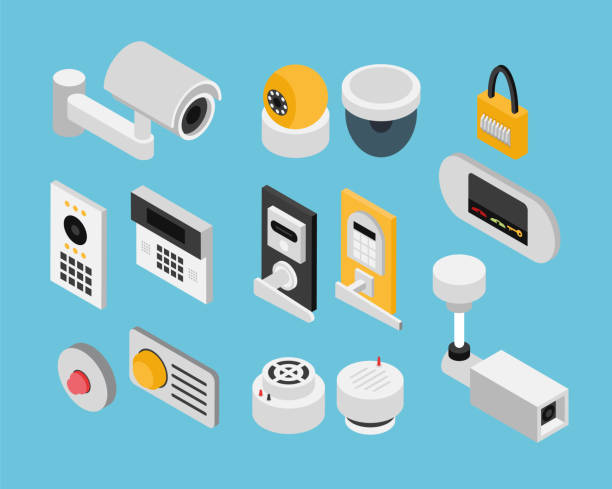
Yes, it is possible to integrate video surveillance and access control systems with your VoIP phone service. This integration can provide additional security features such as video verification for access control events, remote door unlocking through the phone system, or receiving video alerts on your phone when access control events occur.